



🛠️ Clean up your tools — and score $500.
April 30, 2025

This week’s must-reads:
- What your hiring rejections say about your culture.
- Clout ≠ conversion. What works (and what flops).
- Get your tools in order (and maybe $500 richer)
- It's not just about KPI's — it’s about chemistry.
KEEP IT CLEAN
Template of the week: Candidate Rejection Process

AI might be writing your rejections — but candidates are still reading them.
Whether it’s a bot or a human hitting send, every “no” speaks for your brand. Handle it poorly, and it might end up on Glassdoor (with receipts 👀).
Here’s how to shut the door without slamming it:
- 🔁 Standardize the send-off. Every rejection should be timely, clear, and human. Culture isn’t just about how you treat people once they’re in your circle — every interaction matters.
- 📬 Make it personal. Use their name. Mention the interview. Show you saw them — not just their résumé.
- ♟️ Prep for replies. Train your team to handle questions, pushback, or follow-ups — candidates who feel heard are 3.5x more likely to reapply. A little effort now = a second chance at great talent later.
👉 Want to make your hiring process feel less like a black hole? Peep the Candidate Rejection Process Template — with timelines, email copy, and pro tips to keep things consistent, classy, and candidate-friendly.
Check out our entire template archive of free and customizable policy, process, and role starters. New to Trainual? Get a demo.
FOLLOW ME BACK
The unfiltered truth about B2B influencer marketing
Influencer marketing might look flashy, but getting it right takes real strategy. Brianna Doe — LinkedIn heavy hitter with a quarter-million followers and founder of Verbatim — is putting a ring light on what actually works (and what’s a total waste of time) in the world of B2B influencer programs.
A few truth bombs from a B2B pro:
- 👱 Creators are humans, not ad space. “You’re working with a human being.” They’re protective of their audience — and they want partnerships that feel right, not transactional.
- 📝 Clear briefs = better content. If you want creators to deliver, don’t leave them guessing. “The best way to set [creators] up for success is to have those details nailed down before you start.”
- 📈 Build systems you won’t outgrow. If your systems aren't built to last, they're built to break. “I don't want to have to circle back in two years and realize I didn’t build this system well.”
- 🚫 Follower count is not the whole story. Liking someone’s content doesn’t mean they’re the right fit — and a big number doesn’t guarantee real influence. “You can't just rely on followers.”
TRAINUAL TIPS & TIPS
Get your company tools organized — and you could snag $500!
You’ve documented all the need-to-knows for your team’s tools. So why are the same questions still popping up? Because the answers are scattered — across policies, process docs, and buried in Teams or Slack chats.
That changes now.
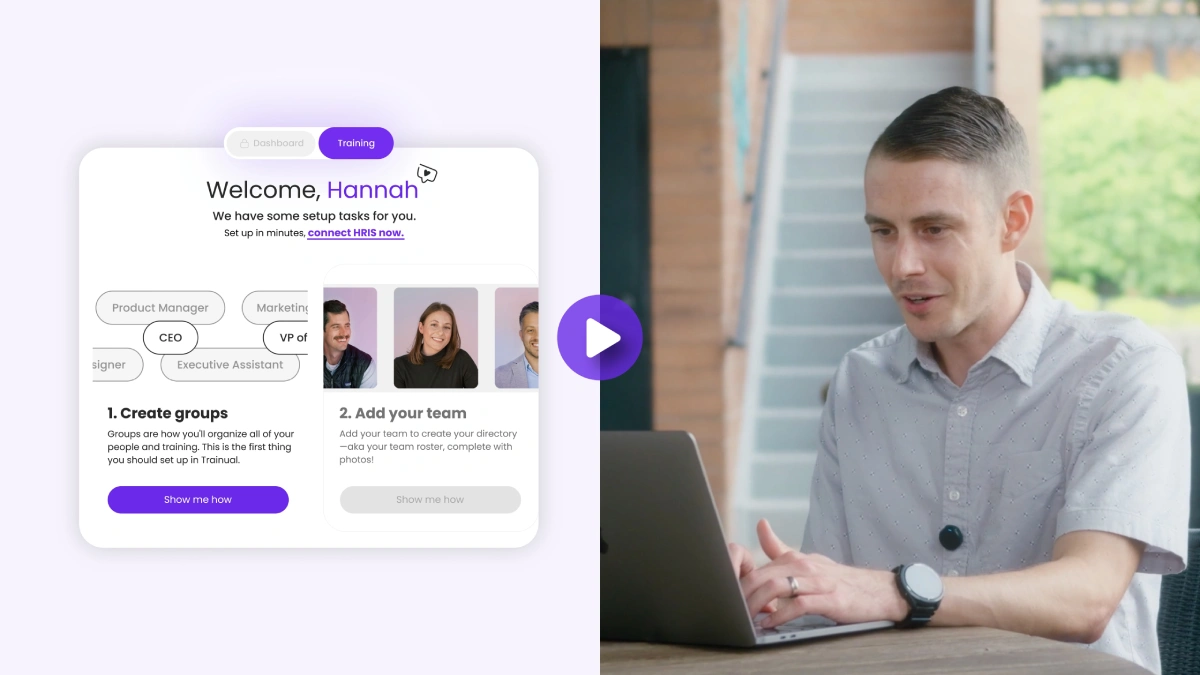
The new Software & tools page is your one-stop hub for:
- 🛠️ What tools your team uses (no more guesswork).
- 👥 Who owns setup, access, and support.
- 🗓️ How each tool fits into daily workflows.
- 🔑 Where to find help docs, quick links, and resources.
It's the key to eliminating confusion, cutting wasted spend (since you've got a clear view of what you actually use — and don't use), and creating smoother onboarding and offboarding processes.

Want a shot at $500? 👀 Here's how: Organize your tools, simplify your tech stack, and kickstart your setup.
👉 Fill out this quick form to enter!
Bonus: Join our live webinar to see how the new Software & tools page works — and how the best teams are using it to simplify their systems.
LEADING WITH CHEMISTRY
The science behind high-performing teams
Most leaders track performance — but overlook what drives it.
Here’s the twist: Motivation, trust, stress, connection — they’re not just soft skills. They’re brain chemistry. Real chemicals. And if you want a high-performing, fired-up, all-in team? You’ve gotta lead with that... in mind. 😉Here’s the TL;DR: How brain chemicals really run your team.

Here’s the TL;DR: How brain chemicals really run your team.
- 🎯 Dopamine = drive. Set clear goals and celebrate wins. Progress feels good — literally.
- 💪 Endorphins = energy. Laughter and movement help your team power through tough days. Think meme breaks, a moment to stretch, or quick walk-and-talks.
- 👏 Serotonin = pride. Public praise builds pride and status. Celebrate wins loudly — shout-outs, awards, spotlights.
- 🤝 Oxytocin = trust. Trust is built behind the scenes. One-on-one check-ins, personal notes, and small moments matter most.
- 😬 Cortisol = stress. Anxious leaders create anxious teams. Create calm — and yes, that means delegating more and firefighting less.
Understanding these five chemicals can make your team more motivated, connected, and resilient — and that’s good for your people.

